Conflict of Interpretation. Five Essential Dilemmas of Political Philosophy — in English
A course by Sven Gerst • 14.07–11.08.26 • Admissions Closed
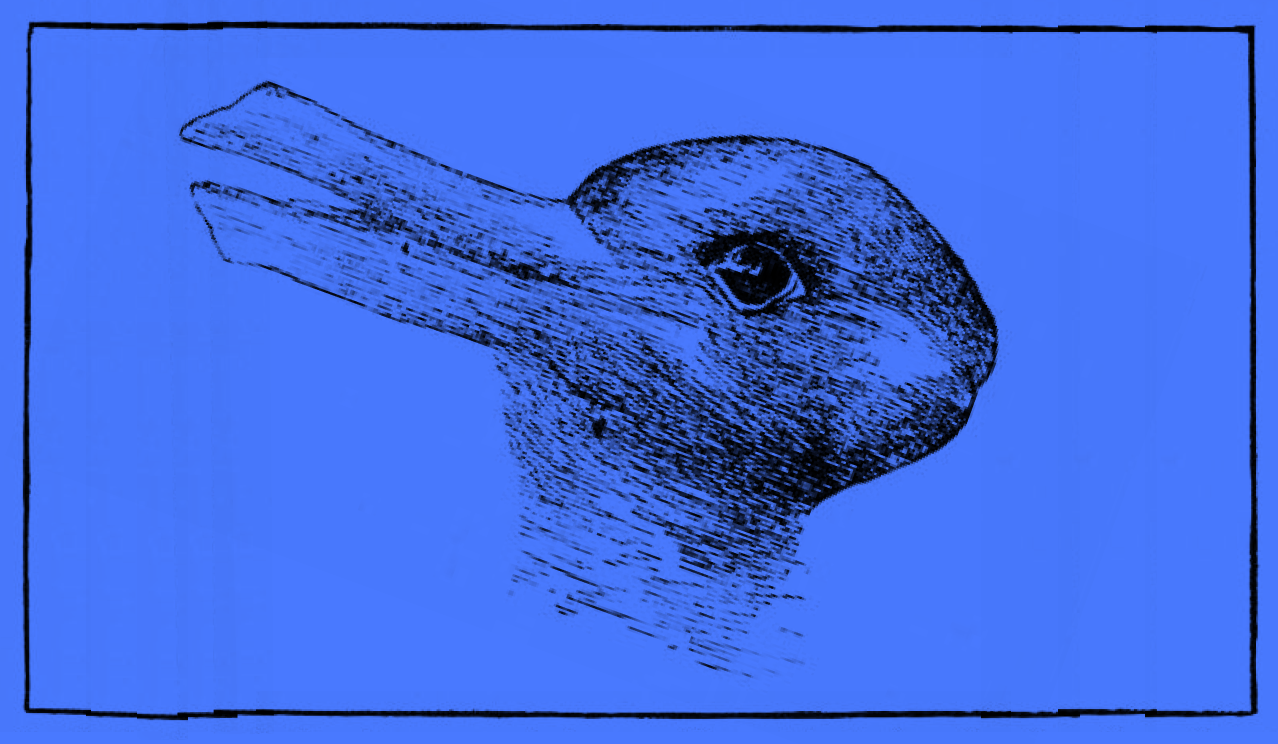
Politics is all about conflict. In its best version, politics means debate, reasonable disagreement, and “the non-coercive coercion of the better argument”. In its worst version, it becomes the violent struggle for power. When is conflict productive — and when is it merely a battle for privilege or control over others? What ethical and political dilemmas shape essential political issues? What happens when diverging interests clash?
This course provides you with the space to discuss core concepts in political philosophy — such as liberty, equality, justice, power, and the state — and do so in a foreign language. But this is not a typical English-language course. That’s why your instructor isn’t a linguist or even a native speaker but a practicing philosopher. Instead of grammar lessons, this course offers a space to think, speak, and argue in English.
Each week, we will tackle one contested political idea and ask what kind of conflict it helps us understand. What happens when my liberty clashes with your freedom? Must the state be the ultimate arbiter of conflict? Is there a utopia where nobody strives for power?
Your Tutor
“I’m doing philosophy for a living — despite all the well-meaning warnings. I have taught various courses in philosophy, politics, and economics, facilitated civic education all around the world, and hosted many online discussion formats and book clubs. This course is a journey through the ABC of political philosophy, where the conversation is just as important as the language you use to shape it”.
Sven Gerst
Sven Gerst is a Philosopher and a Political Economist with an interdisciplinary background in philosophy, politics, and economics.
He holds advanced degrees from King’s College London, the London School of Economics and Political Science (LSE), and the University of Mannheim and has previously studied and worked at Harvard University, Duke University, St. Petersburg State University, and National Taiwan University
Program
14.07
The Clash of Freedoms
18:00–19:30 CET
We’ll explore the many meanings of freedom. What does it mean to be free? What’s the difference between freedom and liberty? What happens when my freedom clashes with yours? And how does the language of freedom translate across languages, political traditions and political systems?
21.07
The Shades of Equality
18:00–19:30 CET
Equality sounds simple until people start disagreeing about what should actually be equal. We’ll discuss its various dimensions, from equality of opportunity to equality of outcome, and tackle the language of fairness.
28.07
Justice: Who Gets to Decide What’s Fair?
18:00–19:30 CET
What makes a society just? We’ll look at different theories of justice and ask how they handle conflict over rights, responsibilities, resources, and recognition. Who gets what, who owes what to whom, and who gets to decide?
04.08
Power: The Root of All Evil?
18:00–19:30 CET
What is power, really? We’ll unpack the complex dynamics of power — who holds it, how is it used, and must it always be bad? We’ll look at power as domination, influence, authority, and maybe even as something we cannot fully escape.
11.08
The State: Do We Need a Leviathan?
18:00–19:30 CET
How can we justify state authority? Is the state the reason for conflict or the solution to it? Must there be a monopoly on violence, and what happens when that monopoly itself becomes the problem?
How the Program Works
To enroll in this course, applicants must pass a
competitive selection process, which includes writing an essay on a specified topic and submitting it together with a motivational video.
Bazaleti Uni is not lecture-centric; classes include interactive learning formats (discussions, games, debates) and require active student participation, which is why each course accepts no more than 40 students.
Classes are conducted online via Zoom. Once you pass the admissions process, you will receive all the necessary instructions and links. Don’t forget to make sure that your computer or tablet has a working camera and microphone.
Подпишитесь на рассылку, чтобы узнавать о новых курсах и новостях Bazaleti Uni